Who can you trust with the news?

Trust in journalism never really crossed my mind when I started in broadcast journalism after graduating from the University of Southern Mississippi in 1992. At that time, most people trusted reporters. However, that trust has eroded significantly since then even though many traditional journalists still follow the standards taught in college and reinforced in newsrooms. (Among them are The Associated Press, Reuters and the Society of Professional Journalists.)

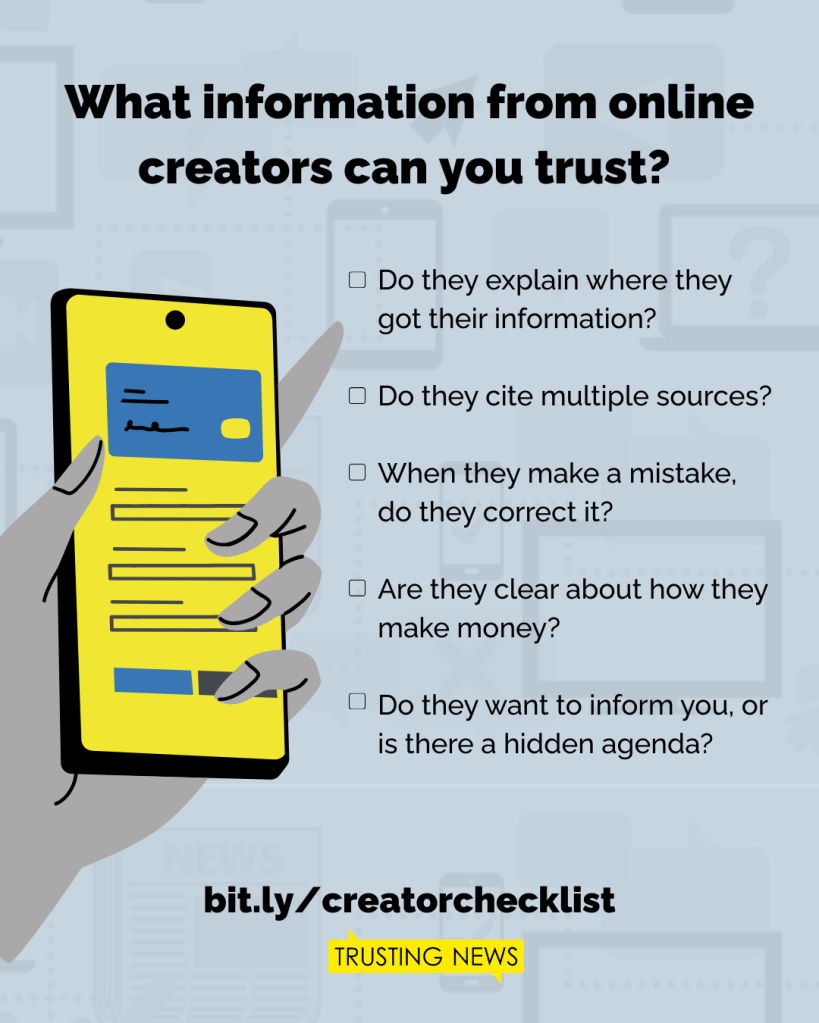
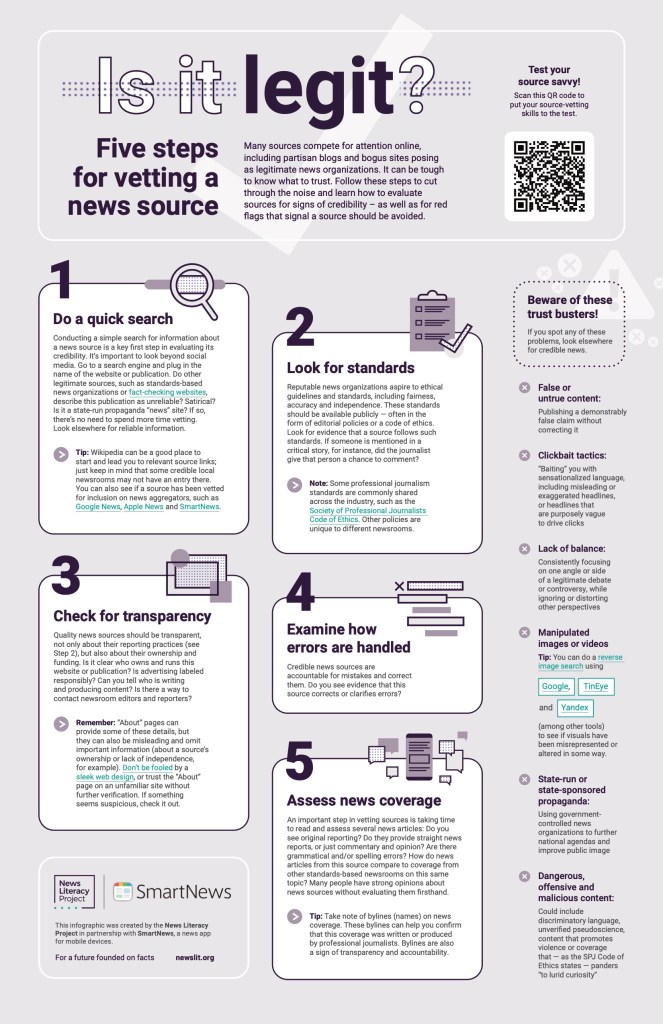
Because of that erosion, the group Trusting News started in 2016 to help journalists in general get that trust back. I subscribe to the organization’s weekly newsletter, and the latest one shared checklists that reporters could share to help people decide if something they see online is legitimate. Trusting News project manager Mollie Muchna wrote the following:

As it’s becoming harder for people to recognize fair, ethical, accurate information, our responsibility as credible journalists is increasing. Our job and public service duty as journalists is to help meet our community’s information needs. And in this moment, that need includes helping our audiences navigate news and make educated decisions about who to trust.

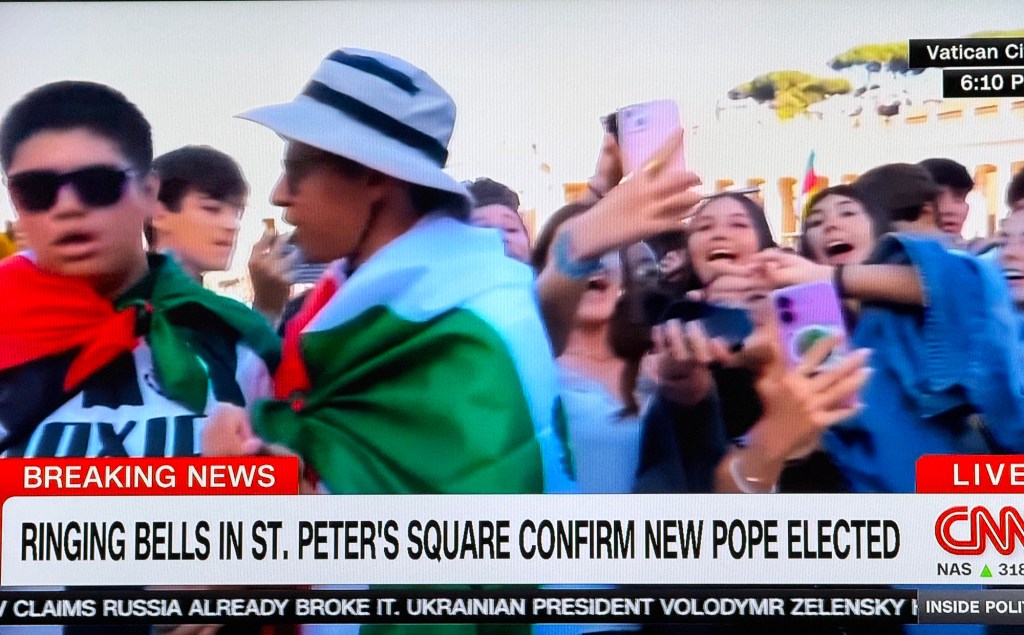
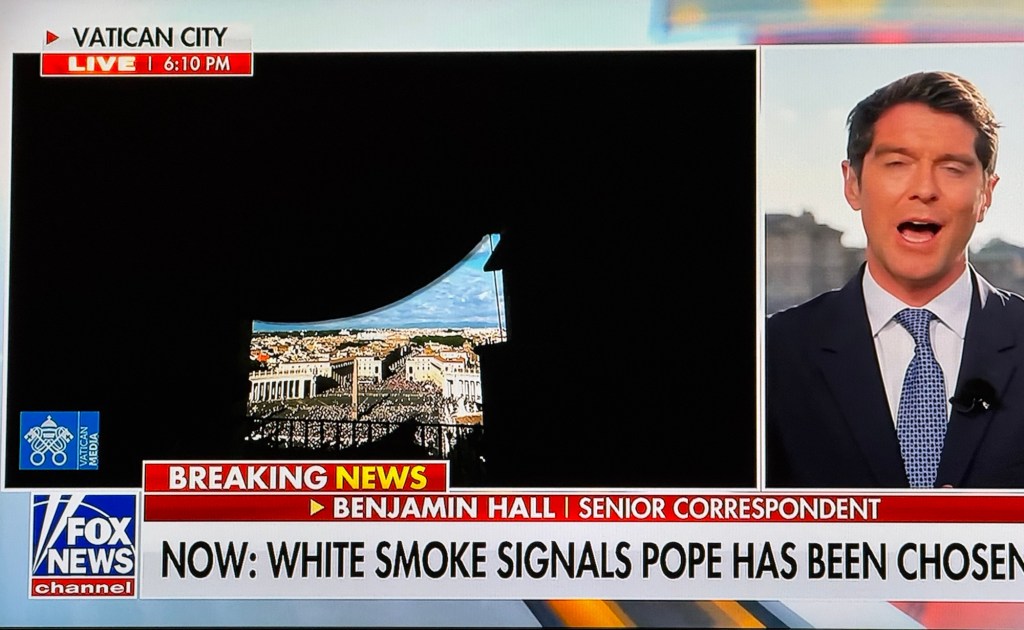
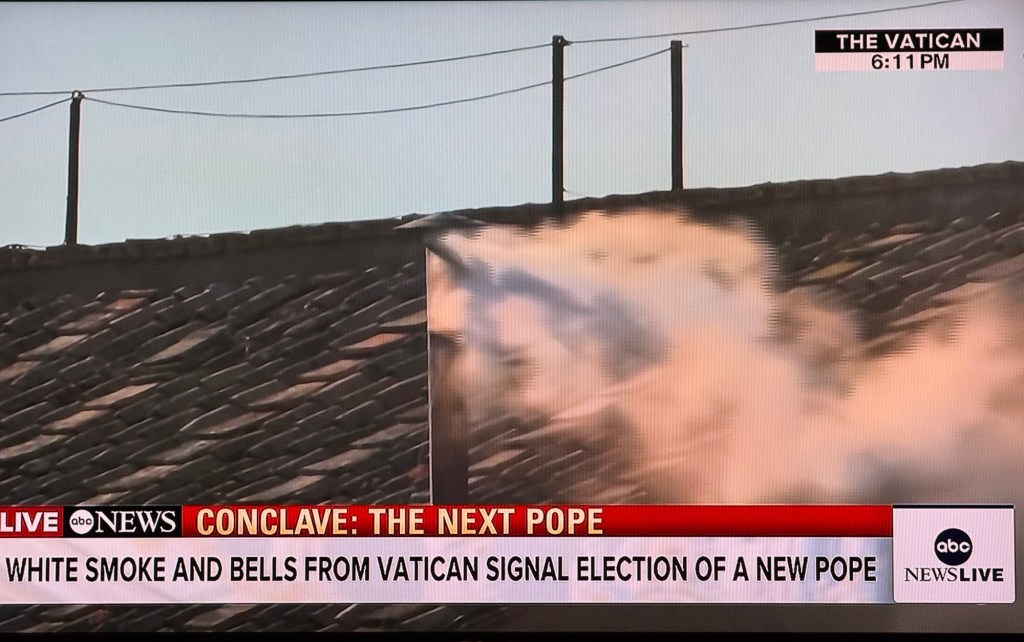
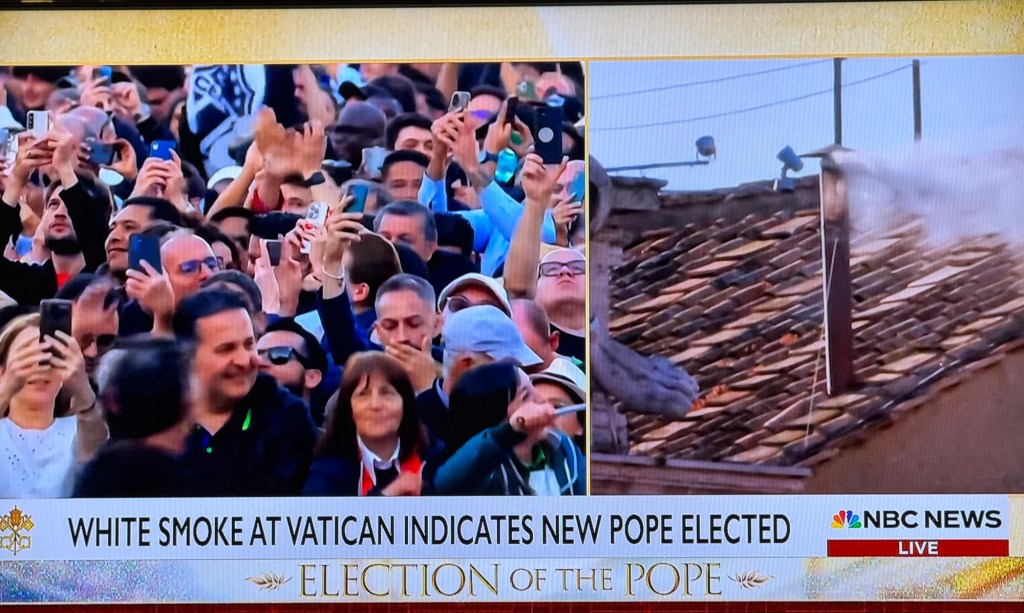
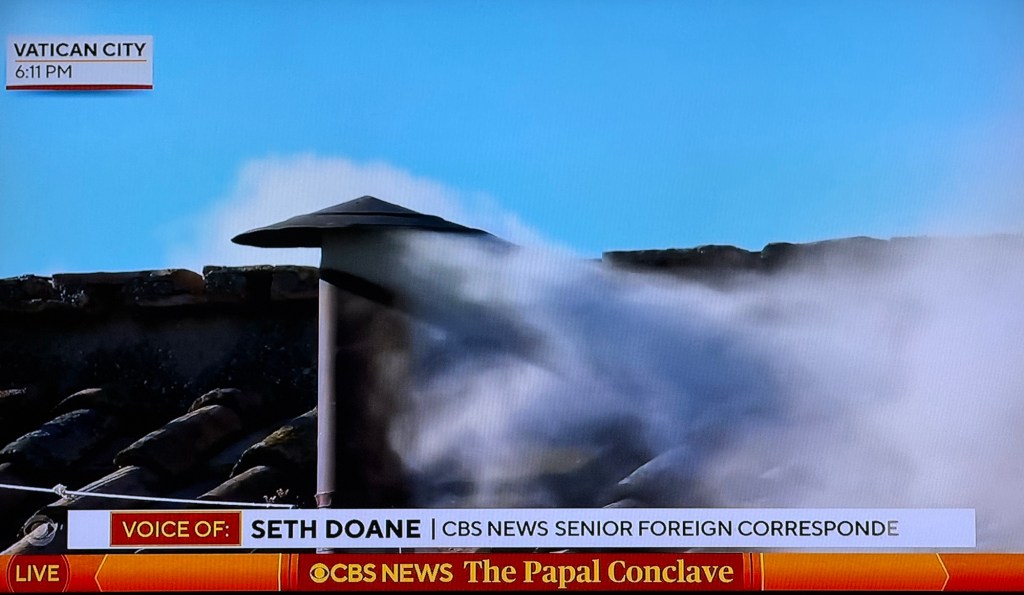
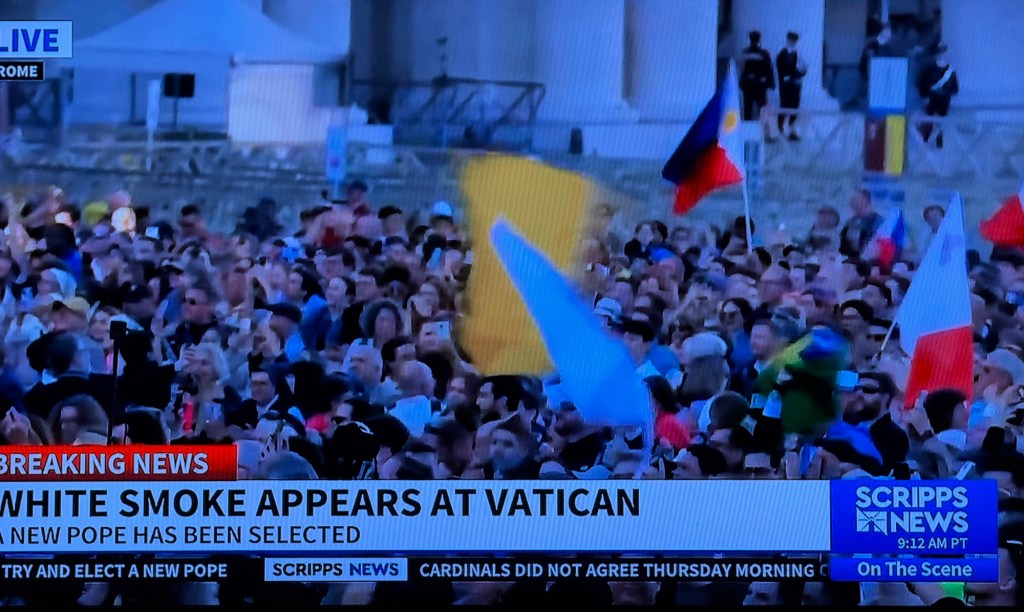
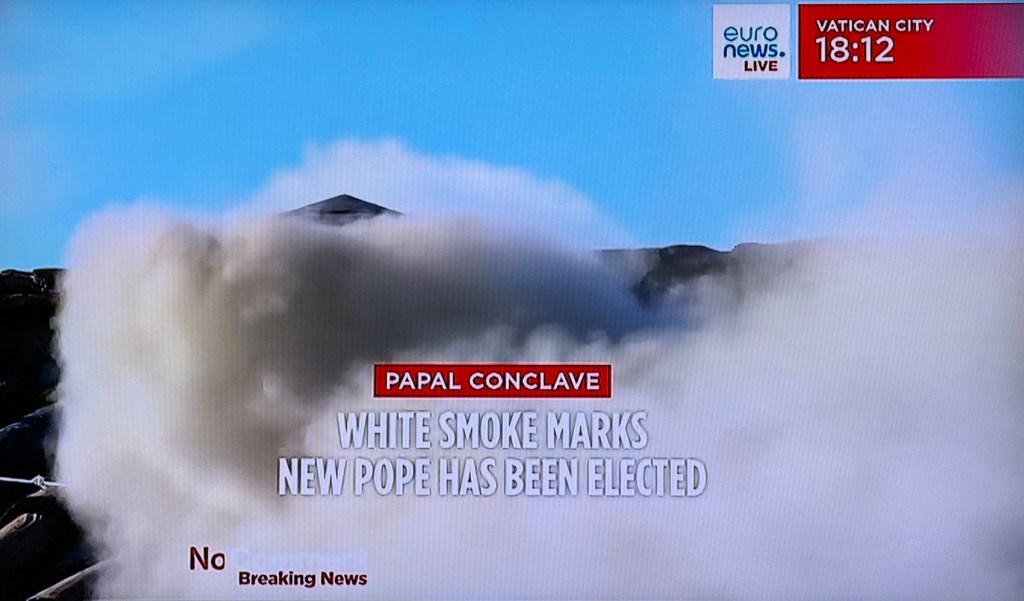
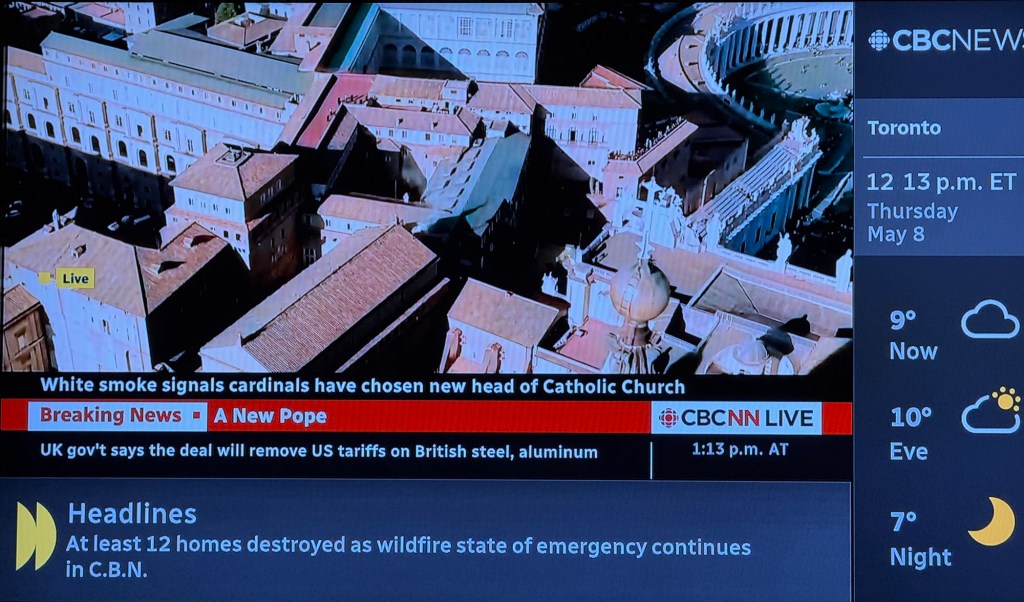
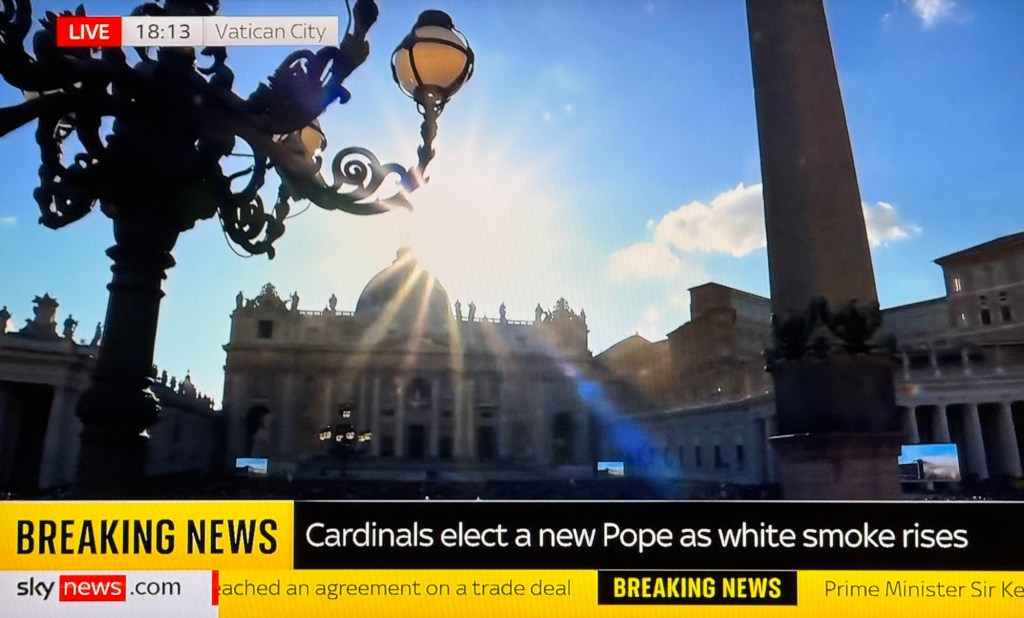
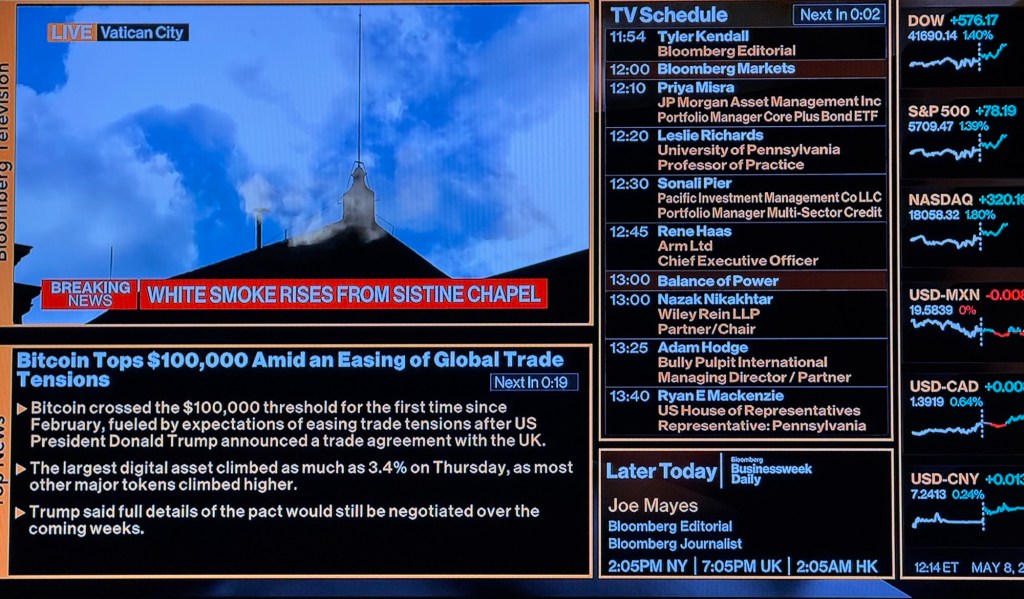
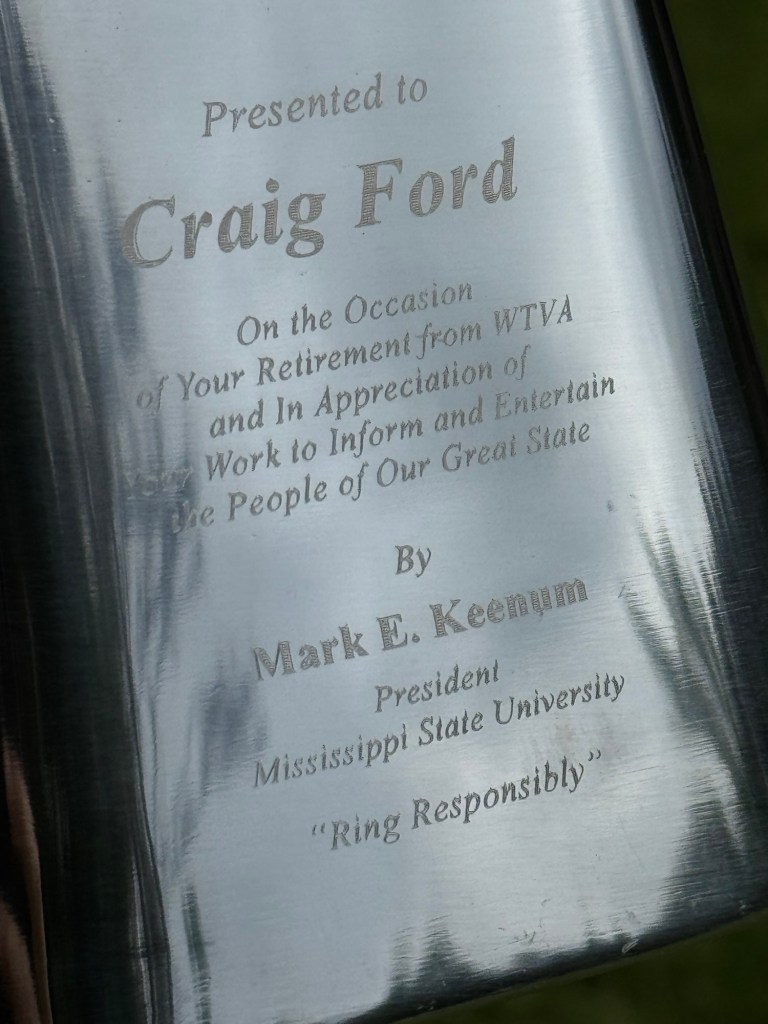
I have been retired from full-time journalism for about a year now. But when sharing news stories online, I still use those journalistic standards that guided me for more than three decades on the job. My hope is you notice that in the stories appearing on my social media accounts as well as on this website. I also hope you find the information that shows up when clicking on the images in this post helpful.
On journalism

At this point in our country, great reporting isn’t a craft or a talent. It is a patriotic act. It presents the facts on which we can build a serviceable picture of what happened, of right and wrong. This steadies the civic mind.

What reporters do is hard—find human beings in the thicket, in the wild, earn their trust, convince them to speak, read opaque documents, decipher things, restrain their own views, get the facts accurately and then let those facts speak for themselves.

A little side trip here to Walter Cronkite, whose name is being mentioned a lot. “Everyone trusted Cronkite.” True. I knew him, he was human, and he wasn’t trusted because he had nice eyes or a nice way or a well-lit set or smoked a pipe.

People trusted him because for much of his career he’d been a workaday reporter at United Press International. And it formed him, shaped his journalism. UPI, the Associated Press and other wire services told America what was happening each day in the country and the world.

Here is what the wires taught you. Their product was purchased and had to be acceptable to every newspaper in the country—liberal and conservative, big city and small. So wire service reporters had to play it straight—get it first but get it right, facts are gettable, verification necessary. You disciplined yourself out of the story. Accuracy was all.

Because of that training, viewers could tell Cronkite was a professional operating under clear and continuing standards.

People think journalism is hopelessly tainted, just another partisan player, can never get its reputation back. Wrong. You can build it each day. You can open up a new account in the credibility bank, see it grow. When Cronkite said Vietnam was a failure, he was believed because he had a big personal account to draw on.

Peggy Noonan in The Wall Street Journal on January 31, 2026

An outside observation

Los Angeles TV coverage of the recent fires

From Jefferson Graham:

A quick note about the supposed “death” of traditional TV because we’re all into streaming now, right? 

Where did you first turn to find out about the fires? Netflix? Amazon Prime? or KTLA?

I’m assuming if you’re in Los Angeles, it was local TV, KCBS, KNBC, KTLA, KABC, KCAL or KTTV. And if you’re out of town, you found a way to access one of the local channels on your streaming menu like my brother did from his home in Atlanta. Their coverage of their local area simply can’t be beat. 

Broadcast TV is not going away anytime soon.

A return to the anchor desk

Thanks for the kind words following my return to the anchor desk this afternoon. I’m still dealing with pain from the chemotherapy given during the surgery in December, and it makes sitting in a chair very difficult. You may see me standing more in the weeks ahead. I will always be grateful for everyone who has watched me throughout my 25 years at WTVA 9 News. It has been an honor, and I hope to continue as long as God allows.